The evolution of gambling tracing its historical roots and cultural significance
The evolution of gambling tracing its historical roots and cultural significance
Ancient Beginnings of Gambling
The history of gambling dates back to ancient civilizations where games of chance were intricately woven into social and cultural practices. Archaeological evidence shows that around 5,000 years ago, the Chinese created rudimentary dice and gambling games, which laid the foundation for future gaming practices. Similarly, ancient Greeks and Romans engaged in various forms of betting, using dice and wagering on events like chariot races and gladiatorial contests, illustrating how gambling served as both entertainment and a social activity. For those interested in exploring contemporary platforms, https://letsgocasinos.com offers insights into modern gaming options.
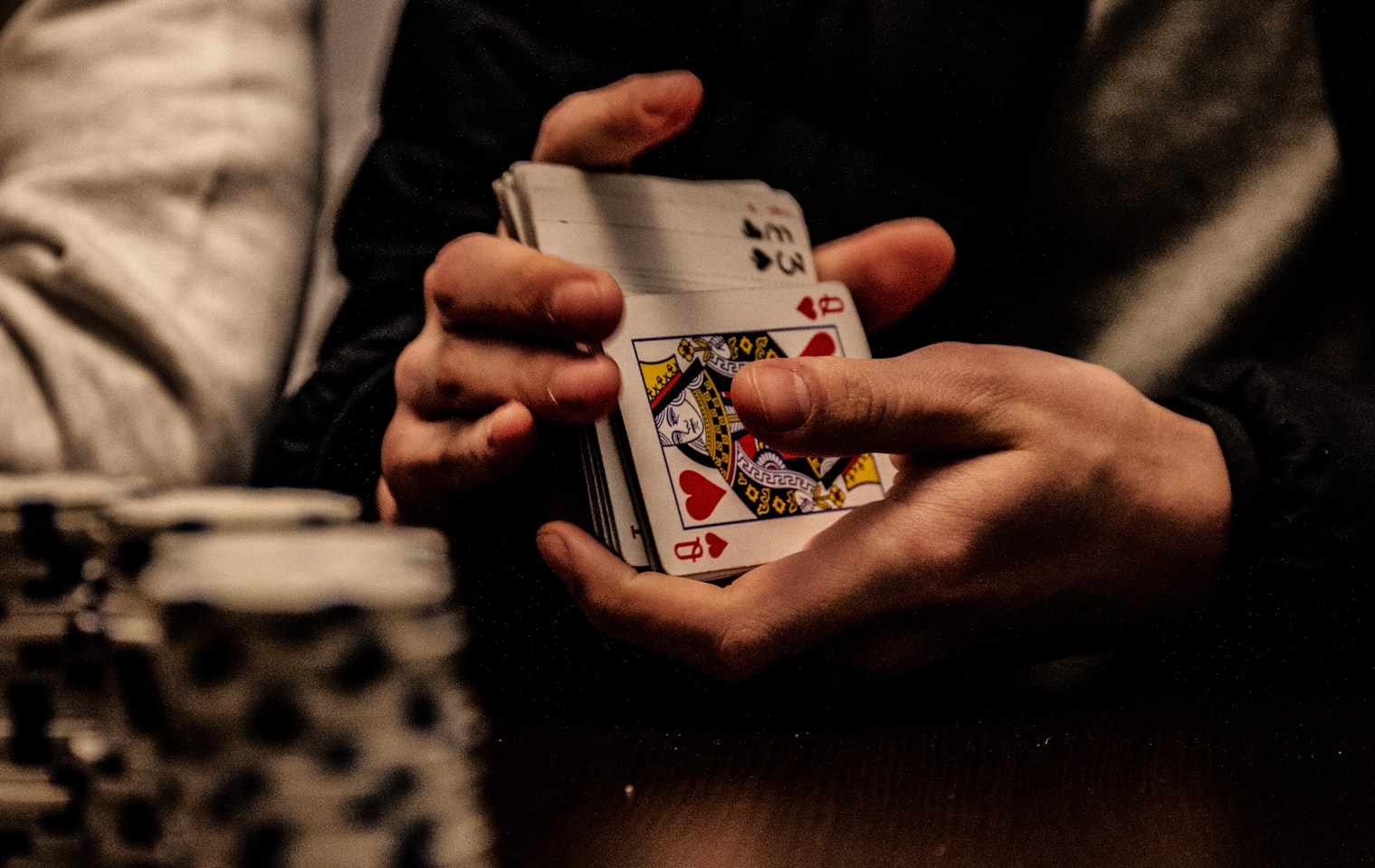
Gambling was not merely a form of entertainment but also deeply connected to religious and societal rituals. In many ancient cultures, games of chance were often associated with divination and fate. The Romans, for example, would gamble during religious festivals, believing that luck was a gift from the gods. This blending of chance and spirituality highlights the significance of gambling as more than just a pastime; it was also a means of connecting with the divine and seeking favor.
Throughout history, these early forms of gambling evolved and adapted to different cultures. In ancient India, the game of dice known as “Pachisi” became a royal pastime, reflecting its cultural importance. The interactions and exchanges between different civilizations led to the development of diverse gambling practices, showcasing how gambling has always been a shared human experience, transcending borders and time.
The Medieval and Renaissance Periods
The medieval era witnessed a transformation in gambling practices, particularly in Europe. With the advent of card games in the 14th century, gambling evolved into more structured forms. The introduction of playing cards from Asia brought about a new wave of interest and sophistication in gaming. By the Renaissance, card games like Poker and Baccarat began to emerge, and gambling houses started to form, indicating a shift towards organized betting.
This period also saw the establishment of lotteries as a means of raising funds for public projects. In countries like England and France, lotteries gained popularity, providing a legal avenue for gambling while contributing to community welfare. The combination of social responsibility and entertainment made lotteries a significant aspect of gambling culture, often perceived as a civic duty rather than mere chance.
The Renaissance not only revitalized interest in gambling but also prompted debates regarding its morality. While some viewed gambling as a vice, others regarded it as an opportunity for social interaction and economic growth. This duality laid the groundwork for how gambling would be perceived in modern society, balancing enjoyment and risk while sparking conversations about regulation and ethics.
The Rise of Modern Gambling
The 18th and 19th centuries marked a significant turning point in the evolution of gambling, with the establishment of formal casinos across Europe and the United States. The first official casino, Casino di Venezia, opened in Italy in 1638, paving the way for future gaming establishments. By the 19th century, cities like Las Vegas and Monte Carlo became synonymous with high-stakes gambling, attracting enthusiasts from around the world and becoming cultural icons.
During this time, various games we know today were refined and standardized. Blackjack, roulette, and poker became mainstream, each with its own set of rules and strategies. This period also saw the emergence of gambling as a commercial enterprise, with operators looking to maximize profits while ensuring an enjoyable experience for players. The growth of gambling houses reflected the increasing demand for leisure activities in an industrializing world.
As gambling became more accessible, it also sparked social change. The rise of legal betting options led to discussions about regulation, addiction, and societal impact. Public perception began to shift, as gambling was viewed as both a source of entertainment and potential harm. This dichotomy set the stage for modern gambling policies and responsible gaming initiatives, emphasizing the need for balance in promoting enjoyment while safeguarding players.
The Cultural Significance of Gambling Today
In contemporary society, gambling has evolved into a multi-billion-dollar industry that transcends borders and cultures. From online platforms to traditional casinos, people engage in various forms of betting that reflect their preferences and lifestyles. This evolution illustrates how gambling is deeply integrated into modern entertainment, appealing to diverse audiences while maintaining its historical roots.
Moreover, the cultural significance of gambling today is evident in its portrayal in literature, film, and popular culture. Movies like “Casino Royale” and shows like “Poker After Dark” highlight the allure and drama surrounding gambling, contributing to its mystique. Such representations shape public perception and interest, perpetuating a cycle of fascination with the highs and lows of betting.
Furthermore, gambling has become a means of social bonding and community interaction. Events like charity poker tournaments and local gaming nights encourage socializing and camaraderie, reinforcing the idea that gambling is not just an individual pursuit but also a shared experience. This cultural significance underscores the balance between entertainment, tradition, and social responsibility in the world of gambling.

Let’s Go Casino: A Modern Gaming Experience
In the context of today’s rapidly evolving gambling landscape, online platforms like Let’s Go Casino are at the forefront of innovation and user experience. Catering specifically to Canadian players, this premier online gaming platform combines a vast selection of over 2,500 games with a commitment to security and entertainment. Players can easily navigate a wide array of slots, table games, and live dealer options, making it an ideal destination for both newcomers and seasoned gamblers.
Let’s Go Casino prioritizes user satisfaction through a mobile-friendly interface and rapid payment processing, ensuring a seamless gaming experience. The platform emphasizes responsible gaming practices, allowing players to enjoy their favorite games while promoting a safe environment. With round-the-clock customer support, players can access help whenever they need it, enhancing their overall experience and trust in the platform.
As gambling continues to evolve, Let’s Go Casino stands as a testament to the enduring allure and cultural significance of this age-old pastime. By blending tradition with modern technology and emphasizing responsible play, it captures the essence of gambling in today’s world, offering an engaging and secure space for players to explore and enjoy.